Rotorua
Updated: Aug 24
Rotorua Travel Guide: Geothermal Wonders, Lakes, and Living Māori Culture

Rotorua is one of New Zealand's most fascinating destinations — a place where the earth itself puts on a show. Steaming geysers, bubbling mud pools, and vividly coloured hot springs sit alongside serene lakes and native forest, all wrapped in a living Māori culture that's deeply tied to this volcanic landscape. This guide covers the must-see geothermal attractions, natural highlights, and cultural experiences that make Rotorua worth the trip.
Quick Facts Before You Go
Best time to visit: Summer (December–February) brings warm weather and long daylight hours, ideal for outdoor activities and exploring geothermal parks at a relaxed pace. Rotorua is a year-round destination too — the geothermal sites and cultural experiences are just as compelling in cooler months, and steam rising against a crisp winter sky has its own appeal.
Getting around: Renting a car is the most convenient way to explore the wider region at your own pace, though many geothermal parks and major attractions are also accessible by shuttle or guided tour if you'd rather not drive.
What to bring: Comfortable walking shoes, a camera, and layers of clothing — temperatures can shift noticeably near geothermal areas.
Safety first: Always stay on marked paths in geothermal parks. The ground can be unstable and surface temperatures genuinely dangerous just metres from the trail.
Geothermal Activity That Shapes the Landscape
Rotorua sits on a volcanic plateau, which explains the intense geothermal activity visible throughout the region. These features aren't just visually striking — they offer a genuine, hands-on window into the earth's inner workings.
Wai-O-Tapu Thermal Wonderland is known for its vividly coloured hot springs and the famous Champagne Pool, its orange-rimmed waters ringed with mineral deposits. Walking trails wind past steaming vents and pools in shades of green, yellow, and orange — plan to arrive for the scheduled Lady Knox Geyser eruption if you want to see it at its most dramatic.
Te Puia is home to the Pohutu Geyser, the largest active geyser in the Southern Hemisphere, erupting multiple times a day and shooting water up to 30 metres high. It's also one of the best places in Rotorua to combine geothermal sightseeing with cultural experiences, as the site includes a Māori arts and crafts institute.
Hell's Gate is a geothermal reserve where visitors can soak in naturally heated mud baths and hot springs, surrounded by dramatic volcanic scenery — a good pick if you want to actively experience the geothermal activity rather than just view it.
The Role of Lakes and Forests in Rotorua's Appeal
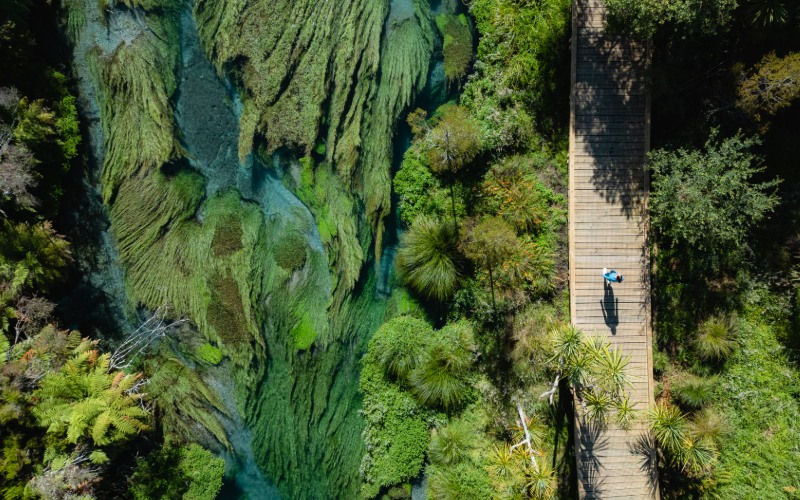
Beyond the geothermal wonders, Rotorua is surrounded by stunning lakes and native forest that round out its natural appeal. The region's lakes — including Lake Rotorua and Lake Tarawera — offer boating, fishing, and lakeside walks, while the surrounding forests are home to native bird species and provide peaceful trails for hiking and mountain biking.
Redwoods Whakarewarewa Forest features towering Californian redwoods alongside well-maintained walking and biking tracks, including a treetop walkway that's popular at dusk when the forest is softly lit. It's an easy, tranquil escape for nature lovers. Lake Tarawera, known for its clear water and scenic views, is ideal for kayaking or simply picnicking on the shore — and its backdrop, Mount Tarawera, adds real drama to the setting.
Cultural Connections and Natural Heritage
Rotorua is also a centre for Māori culture, deeply connected to the land and its geothermal features. Many sites hold real cultural significance and are woven into traditional stories and practices, and visitors can engage with this heritage through guided tours, cultural performances, and visits to Māori villages.
Tamaki Māori Village offers an authentic evening experience of Māori life, including traditional food, storytelling, and performance — a good introduction if you want a structured, immersive cultural evening. Whakarewarewa Village is a living Māori village where geothermal activity is genuinely part of daily life — natural hot pools are still used for cooking and bathing today, making it one of the more unique cultural experiences in the country.
Understanding this cultural context adds real depth to Rotorua's natural wonders and underscores why preserving these environments matters so much to local iwi (tribes).
Practical Tips for Visiting Rotorua
Book geyser and mud pool visits around scheduled eruption times where relevant (like Lady Knox Geyser) to make sure you don't miss the highlight.
Expect a distinct smell. Rotorua's geothermal activity brings a natural sulphur smell across parts of the city — it fades quickly once you're used to it, and most visitors barely notice it after the first day.
Pair a geothermal park with a cultural site in the same day where possible (Te Puia does both) to make the most of your time if you're short on days.
Stay on marked paths at all times in geothermal areas — this is a genuine safety issue, not just a suggestion.
Getting To and From Rotorua Made Easy
Once the geysers, mud pools, and cultural evenings are booked, all that's left is the journey there. Hopon makes it simple to book a reliable transfer between Auckland or Auckland Airport and Rotorua, so you can start relaxing the moment you land rather than worrying about logistics. Flying into Auckland and heading straight for the geothermal parks, or finishing your Rotorua trip with a flight home from Auckland? Book your transfer with Hopon and let us handle the ride.